Cost-Effective Mold Prevention Strategies to Avoid Remediation in Sevierville
Mold thrives in the damp, humid climate of East Tennessee, but proactive steps can keep it from taking hold. Sevierville homeowners can avoid costly remediation by targeting moisture at its source and maintaining consistent indoor conditions.
Understanding Mold Growth in Humid Climates
Mold spores are everywhere, but they only grow when moisture, warmth, and organic materials align. Sevierville’s humid summers and wet springs create ideal conditions for colonization on drywall, wood, and insulation.
Hidden leaks, poor ventilation, and high indoor humidity (above 60%) accelerate growth. Without intervention, mold can spread within 24–48 hours of water exposure, often behind walls or under flooring where it’s invisible.
Top Moisture Sources in Sevierville Homes
Roof leaks are common after heavy rains, especially in older neighborhoods like Fairgarden or Strawberry Plains. Improperly sealed or damaged shingles let water seep into attics, fostering mold on rafters and insulation.
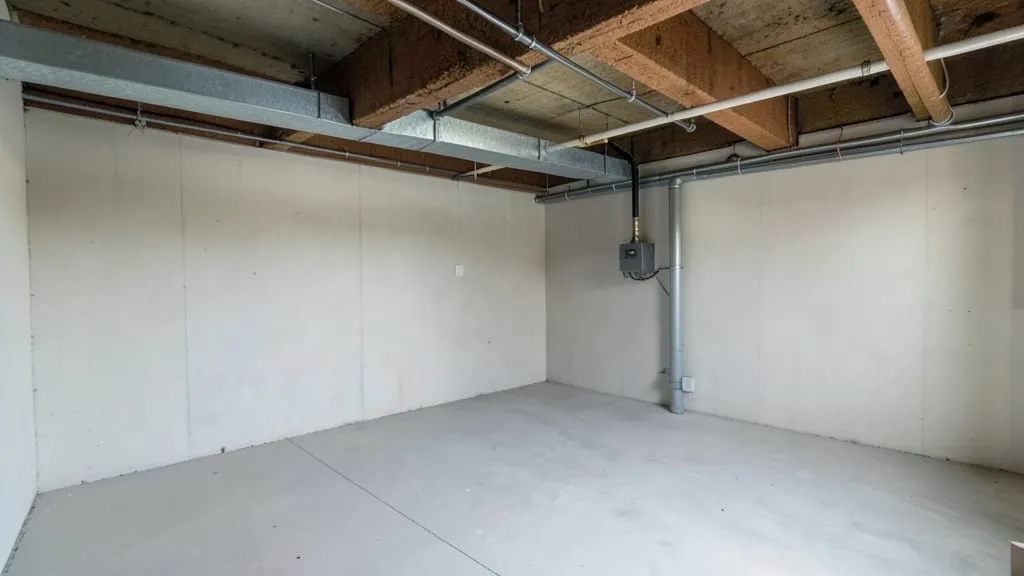
Crawl spaces in many Sevierville homes lack vapor barriers or ventilation, leading to ground moisture wicking into wood and subflooring. Basements, particularly in areas near the Little Pigeon River, often suffer from poor drainage or foundation cracks.
Everyday activities—cooking, showering, drying clothes indoors—add humidity. HVAC systems in older properties may not dehumidify effectively, especially if ducts are improperly sized or filters are clogged.
Low-Cost Prevention Tactics for Every Homeowner
Start with ventilation: run bathroom and kitchen exhaust fans for at least 20 minutes after use. Open windows when outdoor humidity is lower than indoor levels, typically in late morning or early afternoon.
Use dehumidifiers in basements, crawl spaces, and laundry rooms. Aim for 30–50% indoor humidity. Empty and clean units regularly to prevent mold growth inside the appliance itself.
Seal gaps around windows, doors, and utility penetrations with caulk. Inspect attics and crawl spaces annually for leaks, condensation, or water stains. Replace damaged insulation promptly.
Quick Wins for Mold Prevention
- Install and use exhaust fans in high-moisture areas
- Run a dehumidifier in damp spaces like basements or crawl spaces
- Seal cracks and gaps in foundations, walls, and around windows
- Clean gutters and extend downspouts away from the foundation
- Inspect plumbing and appliances for slow leaks regularly
Crawl Space and Basement-Specific Strategies
Encapsulating a crawl space with a vapor barrier blocks ground moisture from entering the home. In Sevierville, where many homes sit on sloped lots, this is critical to prevent wood rot and mold on joists.
Install a sump pump or French drain if water pools near the foundation. For basements, consider interior drainage systems paired with a dehumidifier to manage humidity and condensation.
Ventilate crawl spaces with properly sized vents or a small fan, but avoid over-ventilating in humid weather, which can introduce more moisture. A closed, conditioned crawl space may be the best solution in this climate.
| Method | Effectiveness | Cost | Maintenance |
|---|---|---|---|
| Vapor Barrier Encapsulation | High | Moderate | Low (inspect for tears annually) |
| Sump Pump | High | Moderate to High | Moderate (test seasonally) |
| French Drain | High | High | Low (clear debris as needed) |
| Dehumidifier | Moderate | Low to Moderate | High (empty and clean regularly) |
| Ventilation Fans | Moderate | Low | Moderate (clean blades, check operation) |
HVAC and Air Quality Considerations
HVAC systems can spread mold spores if ducts are contaminated. Regularly replace filters (every 1–3 months) and consider upgrading to a MERV 8–13 filter to capture spores without restricting airflow.
Have ducts inspected and cleaned if visible mold is present. In humid climates like Sevierville’s, consider adding a UV light to the HVAC system to inhibit mold growth on coils and in drain pans.
Portable air purifiers with HEPA filters can reduce airborne spores in problem areas. However, they’re a supplement—not a replacement—for moisture control.
Mold in HVAC systems often goes unnoticed until it causes health symptoms. If you detect musty odors when the system runs, schedule a professional duct inspection immediately.
Outdoor Maintenance to Prevent Indoor Mold
Gutters and downspouts direct water away from the home’s foundation. In Sevierville, where heavy rains can overwhelm drainage, ensure downspouts extend at least 5–10 feet from the house and slope away from the structure.
Grade the soil around the foundation so it slopes away at a minimum of 6 inches over 10 feet. This prevents water from pooling near the basement or crawl space walls.
Trim vegetation and trees near the house to improve airflow and reduce shade, which can keep exterior walls damp. Mulch and leaf litter against the foundation should be removed, as they retain moisture.
When Prevention Fails: Early Signs of Mold
Musty odors are often the first sign of hidden mold. Pay attention to persistent smells in basements, attics, or behind furniture. Visible growth—black, green, white, or gray patches—on walls, ceilings, or under sinks is a clear indicator.
Health symptoms like allergies, respiratory issues, or skin irritation can also signal mold exposure. These may worsen when spending time in specific areas of the home, such as a damp bathroom or a poorly ventilated bedroom.
Water stains, peeling paint, or warped flooring suggest past or ongoing moisture problems. Even if mold isn’t visible, these are red flags that warrant further investigation.
A $20–$50 moisture meter can reveal hidden water in drywall, wood, or flooring. Readings above 15–20% in wood or 1% in drywall indicate elevated moisture levels that could lead to mold.
Long-Term Investments for Mold-Resistant Homes
For new construction or major renovations in Sevierville, consider mold-resistant materials. Paperless drywall, moisture-resistant gypsum, and treated wood products inhibit growth even if they get wet.
Improving attic insulation and ventilation reduces condensation on rafters and roof decks. Ridge vents, soffit vents, and attic fans help maintain consistent temperatures and humidity levels.
In flood-prone areas near Pigeon Forge or Gatlinburg, elevate utilities and use waterproof flooring like tile or sealed concrete. Install backflow valves in sewer lines to prevent backup-related water damage.
How to Conduct a DIY Mold Prevention Audit
A thorough home inspection can uncover moisture issues before they lead to mold.
- 1Check for Water Intrusion
Inspect roofs, walls, and foundations for leaks, stains, or cracks. Pay special attention to areas around chimneys, vents, and window frames.
- 2Test Indoor Humidity
Use a hygrometer to measure humidity in each room. Levels above 60% require dehumidification or improved ventilation.
- 3Examine Crawl Spaces and Basements
Look for standing water, damp insulation, or musty odors. Check vapor barriers for tears and ensure proper drainage away from the foundation.
- 4Inspect HVAC Systems
Replace filters and check ductwork for visible mold or condensation. Ensure drain pans are clean and sloped to prevent water buildup.
- 5Review Outdoor Drainage
Verify that gutters, downspouts, and grading direct water away from the home. Clear debris from drains and extend downspouts if necessary.
- 6Document Findings
Note any issues and prioritize fixes by severity. Address active leaks immediately, then tackle humidity and ventilation improvements.
Frequently Asked Questions
How often should I run a dehumidifier in my Sevierville basement?
Run it continuously during humid months (spring through fall) and aim to keep humidity between 30–50%. In winter, use it as needed if condensation or musty odors persist. Empty the tank or ensure the drain line is clear to prevent overflow.
Can I paint over mold to solve the problem?
No. Painting over mold only hides it temporarily. The mold will continue to grow beneath the paint, causing further damage. Always clean and dry the area first, then address the moisture source. For large or recurring issues, professional remediation may be necessary.
What’s the difference between mold removal and mold remediation?
Mold removal refers to cleaning or eliminating visible mold from surfaces. Remediation is a broader process that includes removal, addressing the moisture source, and preventing recurrence. In Sevierville, remediation often involves drying, dehumidifying, and repairing water-damaged materials.
Are there areas in Sevierville more prone to mold issues?
Homes near water bodies like the Little Pigeon River or in low-lying areas (e.g., parts of Kodak or Seymour) are more susceptible to flooding and high humidity. Older neighborhoods with aging plumbing or poor drainage also see more frequent mold problems.
How can I prevent mold in my vacation rental in Gatlinburg or Pigeon Forge?
Vacation rentals often sit empty with HVAC systems off, leading to humidity buildup. Use smart dehumidifiers or HVAC timers to maintain airflow and humidity levels. Inspect for leaks after each guest stay and address any water damage immediately.
Is mold in my attic a serious problem?
Yes. Attic mold can spread quickly due to poor ventilation and high humidity. It can also compromise structural integrity and lead to costly repairs. Inspect your attic annually, especially after storms, and ensure proper insulation and ventilation.