Understanding the Health Risks of Black Mold in Your Sevierville Home
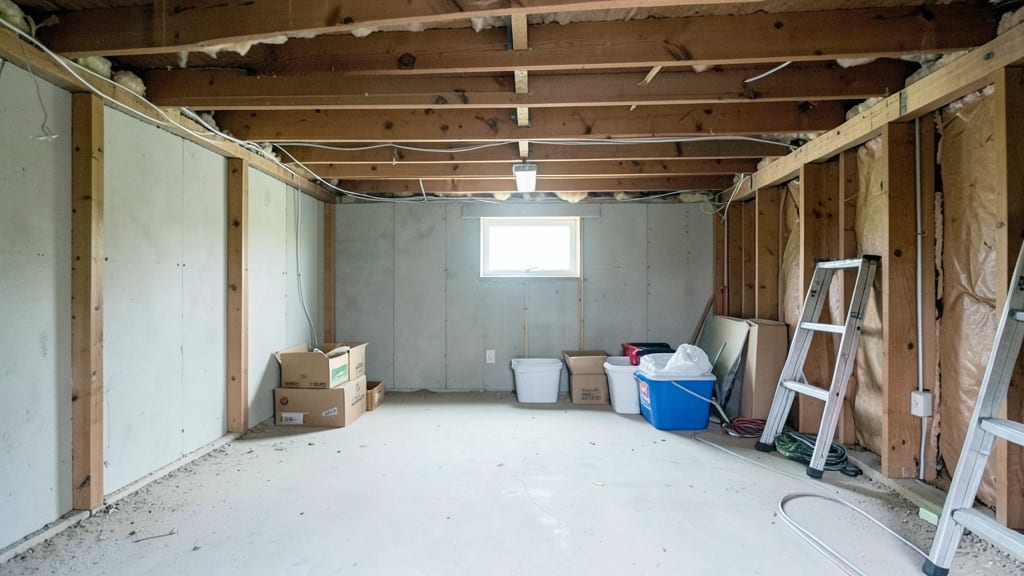
Black mold, often Stachybotrys chartarum, thrives in damp, poorly ventilated spaces common in Sevierville’s humid climate. Exposure can trigger respiratory problems, skin irritation, and long-term health complications. Recognizing the signs early can prevent costly remediation and protect household health.
What Is Black Mold and Why Does It Grow in Sevierville Homes?
Black mold is a toxigenic fungus that produces mycotoxins, which can cause health issues in humans and pets. It appears as dark greenish-black patches, often slimy to the touch.
Sevierville’s warm, humid summers and wet springs create ideal conditions for black mold growth, especially in basements, crawl spaces, and attics. Poor ventilation and water intrusion from roof leaks or plumbing issues accelerate its spread.
The spores travel through the air, settling on porous surfaces like drywall, carpet, and insulation. Once established, colonies can expand rapidly if moisture remains unchecked.
Common Health Risks Linked to Black Mold Exposure
Inhaling or touching black mold spores can cause immediate reactions, including coughing, sneezing, and throat irritation. Those with asthma or allergies often experience worsened symptoms.
Prolonged exposure may lead to chronic sinusitis, respiratory infections, or skin rashes. Immune-compromised individuals, children, and the elderly are at higher risk for severe complications.
Some studies suggest mycotoxins may contribute to neurological issues, though research is ongoing. Fatigue, headaches, and memory problems have been reported in cases of long-term exposure.
If you or a family member experience difficulty breathing, dizziness, or persistent bleeding from the nose or lungs after mold exposure, seek medical help immediately.
Where Black Mold Hides in Sevierville Properties
Basements and crawl spaces are prime locations due to high humidity and limited airflow. Water seepage through foundation cracks or poor drainage worsens the problem.
Attics often harbor mold from roof leaks or inadequate ventilation. Insulation and wood framing can become saturated, fostering hidden growth behind walls or above ceilings.
Bathrooms, kitchens, and laundry rooms are vulnerable to mold from condensation, pipe leaks, or poor exhaust fan performance. Check under sinks, behind toilets, and around appliances.
HVAC systems can distribute mold spores throughout a home if ductwork or coils are contaminated. Regular inspections of air handlers and filters are critical in humid climates like Sevierville’s.
Black Mold vs. Other Common Household Molds
Not all dark mold is Stachybotrys. Other species like Aspergillus or Cladosporium may appear similar but pose different health risks. Professional testing is the only reliable way to confirm the type.
Black mold is distinct in its production of mycotoxins, which can have more severe health implications. However, all mold growth should be addressed promptly to prevent structural damage and health issues.
| Mold Type | Appearance | Common Locations | Health Risks |
|---|---|---|---|
| Stachybotrys (Black Mold) | Dark greenish-black, slimy | Drywall, insulation, wood, HVAC systems | Respiratory issues, mycotoxin exposure, chronic sinusitis |
| Aspergillus | Green, yellow, or black | Walls, ceilings, food, HVAC | Allergic reactions, lung infections, asthma triggers |
| Cladosporium | Black or green, powdery | Bathrooms, carpets, fabrics, wood | Skin rashes, sinusitis, eye irritation |
| Penicillium | Blue or green, fuzzy | Water-damaged materials, ducted air | Allergies, asthma, hypersensitivity pneumonitis |
| Alternaria | Dark green or brown, fuzzy | Showers, sinks, windowsills | Asthma attacks, hay fever-like symptoms |
How Humidity and Water Damage Fuel Mold Growth in East Tennessee
Sevierville’s average humidity levels often exceed 70% in summer, creating a breeding ground for mold. Poorly sealed windows, leaky pipes, and condensation from temperature swings contribute to moisture buildup.
Flooding from heavy rains or sewer backups can introduce mold spores into a home within 24–48 hours. Areas like Kodak, Strawberry Plains, and Pigeon Forge are particularly susceptible to water intrusion after storms.
Even minor leaks in roofing or plumbing can lead to hidden mold behind walls or under flooring. Over time, this can compromise structural integrity and indoor air quality.
Signs You May Have a Black Mold Problem
Visible dark stains or patches on walls, ceilings, or floors are the most obvious sign. However, mold can also grow in hidden areas like behind drywall or under carpeting.
A musty, earthy odor often indicates hidden mold. If the smell persists after cleaning, it’s likely growing in a concealed space like a crawl space or inside ductwork.
Unexplained health symptoms that improve when away from home may signal mold exposure. Keep a symptom journal to track patterns tied to specific areas of the house.
Red Flags for Hidden Mold
- Persistent musty odors, especially after rain
- Water stains or discoloration on walls/ceilings
- Peeling paint or bubbling wallpaper
- Condensation on windows or pipes
- Allergy-like symptoms that worsen indoors
- Recent water damage from leaks or flooding
Why DIY Mold Removal Often Fails in Sevierville Homes
Bleach and household cleaners may remove surface mold but fail to kill spores embedded in porous materials. This can lead to regrowth within weeks.
Improper containment can spread spores to unaffected areas during cleanup. Without negative air pressure and HEPA filtration, cross-contamination is likely.
Personal protective equipment (PPE) is essential when handling black mold. Inhaling disturbed spores without a respirator can exacerbate health issues.
If mold covers more than 10 square feet, is in your HVAC system, or returns after DIY efforts, professional remediation is strongly recommended. Always request written estimates and verify the contractor’s approach to containment and disposal.
Preventing Black Mold in Sevierville’s Climate
Control indoor humidity with dehumidifiers, especially in basements and crawl spaces. Aim to keep levels below 50% to inhibit mold growth.
Repair leaks in roofs, pipes, and windows promptly. Even small drips can lead to significant mold problems over time in humid conditions.
Improve ventilation in high-moisture areas like bathrooms, kitchens, and laundry rooms. Exhaust fans should vent outdoors, not into attics or crawl spaces.
Regularly inspect and clean gutters and downspouts to prevent water from pooling near your foundation. Ensure the ground slopes away from your home to divert rainwater.
How to Safely Inspect for Black Mold in Your Home
A thorough inspection can help you identify potential black mold issues before they escalate.
- 1Gather Protective Gear
Wear an N95 respirator, gloves, and goggles to avoid inhaling or touching mold spores during inspection.
- 2Check Common Hotspots
Examine basements, attics, crawl spaces, and around plumbing fixtures. Use a flashlight to inspect dark corners and behind furniture.
- 3Look for Visual and Olfactory Signs
Search for black, green, or white patches and note any musty odors. Pay attention to areas with past water damage or high humidity.
- 4Use a Moisture Meter
A moisture meter can detect hidden water in walls, floors, or ceilings. Readings above 15-20% indicate a potential mold risk.
- 5Document Findings
Take photos and notes of any mold or water damage. This documentation can help professionals assess the scope of remediation needed.
- 6Avoid Disturbing Mold
Do not touch or attempt to clean mold without proper equipment. Disturbing it can release spores into the air, worsening contamination.
Frequently Asked Questions
Can black mold in my Sevierville home cause long-term health problems?
Yes, prolonged exposure to black mold mycotoxins may contribute to chronic respiratory issues, immune system suppression, and neurological symptoms. The severity depends on the duration of exposure and individual health factors. Children, the elderly, and those with pre-existing conditions are most vulnerable.
How quickly can black mold grow after a water leak in my house?
Black mold can begin growing within 24 to 48 hours of water exposure, especially in warm, humid conditions like those in Sevierville. Acting quickly to dry affected areas and address the moisture source is critical to preventing an infestation.
What’s the difference between mold testing and mold inspection?
A mold inspection involves a visual assessment of your property to identify signs of mold growth and moisture issues. Mold testing, including air quality and surface sampling, confirms the type and concentration of mold spores present. Both are often recommended for a comprehensive evaluation.
Is black mold more dangerous than other types of mold?
Black mold (Stachybotrys) is considered more hazardous due to its production of mycotoxins, which can cause severe health reactions. However, all mold species can pose risks, especially to individuals with allergies, asthma, or weakened immune systems. No mold should be ignored.
Can black mold spread through my HVAC system to other rooms?
Yes, if mold is present in your HVAC system, spores can be distributed throughout your home via the ductwork. This is why regular HVAC maintenance, including coil and duct inspections, is essential in humid climates like Sevierville’s.
What should I do if I find black mold in my rental property near Pigeon Forge?
Document the mold with photos and notify your landlord or property manager immediately. Tennessee law requires landlords to address mold issues that affect health and safety. If they fail to act, you may need to consult local housing authorities or legal advice.