How Humidity Drives Mold Growth and Removal Costs in Sevierville
Sevierville’s warm, humid climate creates ideal conditions for mold to thrive, especially in poorly ventilated or water-damaged areas. Understanding how humidity accelerates growth—and how it influences removal costs—helps homeowners prioritize prevention and targeted remediation.
Why Sevierville’s Humidity Fuels Mold Growth
Relative humidity above 60% provides the moisture mold spores need to colonize surfaces within 24–48 hours. The region’s frequent rain, high dew points, and seasonal temperature swings exacerbate indoor humidity, particularly in basements, crawl spaces, and attics.
Porous materials like drywall, wood, and insulation absorb excess moisture, creating hidden reservoirs for mold. Non-porous surfaces (tile, glass) resist colonization but can harbor spores in grout or sealant gaps.
Common Mold Types in Humid Tennessee Homes
Cladosporium and Penicillium thrive on fabrics, wallpaper, and wood in high-humidity areas. Aspergillus often appears on dusty surfaces, while Stachybotrys (black mold) requires prolonged moisture, typically from leaks or flooding.
Each species demands tailored remediation. Surface mold may require HEPA vacuuming and antimicrobial sprays, but porous materials with deep infestations often need removal and replacement.
How Humidity Levels Affect Remediation Costs
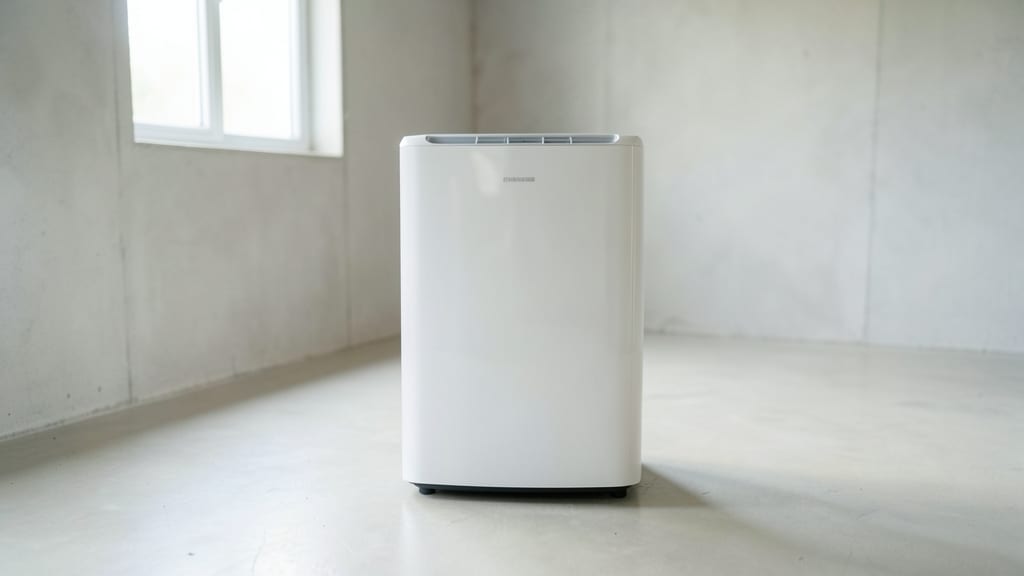
Higher humidity complicates remediation by slowing drying times and increasing the risk of recurrence. Crews in the area typically deploy industrial dehumidifiers and air movers to stabilize moisture before cleanup, adding to labor and equipment costs.
Persistent humidity may necessitate long-term solutions like vapor barriers in crawl spaces or upgraded ventilation in attics, which can significantly increase project scope and expense.
| Humidity Level | Mold Growth Risk | Remediation Complexity | Cost Impact |
|---|---|---|---|
| Below 50% | Low | Minimal drying needed | Lower |
| 50–60% | Moderate | Standard drying protocols | Moderate |
| Above 60% | High | Extended drying + moisture control | Higher |
| Chronic (70%+) | Severe | Structural repairs + prevention systems | Highest |
Hidden Humidity Hotspots in Sevierville Homes
Crawl spaces without vapor barriers often trap moisture from the ground, leading to joist and subfloor mold. Attics with poor ventilation can develop condensation, especially in winter when warm indoor air meets cold roof surfaces.
Bathrooms, laundry rooms, and kitchens are prone to mold if exhaust fans are inadequate or ducts are clogged. Even HVAC systems can spread spores if ductwork harbors moisture or filters are dirty.
Windows, pipes, and metal ductwork with visible condensation signal excessive humidity. Address the source quickly to avoid mold taking hold.
Preventing Mold in a Humid Climate
Controlling indoor humidity is the most effective defense. Dehumidifiers in basements and crawl spaces, paired with regular HVAC maintenance, can reduce moisture levels. Sealing leaks in roofs, walls, and plumbing prevents water intrusion.
Improving airflow with exhaust fans, open vents, and ceiling fans helps dissipate humidity. In areas like Pigeon Forge or Gatlinburg, where older cabins are common, upgrading insulation and vapor barriers may be necessary.
Humidity Control Checklist
- Use dehumidifiers in damp areas (basements, crawl spaces)
- Install and maintain exhaust fans in bathrooms and kitchens
- Seal gaps around windows, doors, and plumbing penetrations
- Inspect attics and crawl spaces for ventilation blockages
- Monitor humidity with a hygrometer (target: 30–50%)
- Address leaks in roofs, pipes, or foundations immediately
When to Consider Professional Mold Testing
Visible mold or musty odors warrant a professional mold inspection, especially if occupants experience allergies or respiratory issues. Air quality testing can identify hidden spores in HVAC systems or behind walls.
In Sevierville, post-flood or storm damage often requires comprehensive mold testing before remediation. Neighboring areas like Kodak or Seymour may share similar risks after heavy rains or river swelling.
Home test kits can detect mold but lack the precision of lab analysis. For accurate species identification and spore counts, professional testing is recommended.
The Remediation Process: What to Expect
Crews begin with containment to prevent spore spread, using plastic sheeting and negative air pressure. Affected materials are removed or cleaned with EPA-approved antimicrobials, followed by HEPA vacuuming.
Drying and dehumidification are critical final steps. Without addressing the root moisture issue, mold will return. Post-remediation verification, including air testing, confirms the area is safe.
How to Reduce Humidity to Prevent Mold Growth
Lowering indoor humidity disrupts mold’s ability to thrive.
- 1Identify Problem Areas
Use a moisture meter or hygrometer to pinpoint high-humidity zones. Focus on basements, attics, and rooms with poor airflow.
- 2Improve Ventilation
Install or repair exhaust fans in bathrooms and kitchens. Ensure attic and crawl space vents are unobstructed.
- 3Deploy Dehumidifiers
Place dehumidifiers in damp areas and empty their tanks regularly. Aim for 30–50% relative humidity.
- 4Seal Moisture Entry Points
Caulk gaps around windows, doors, and plumbing. Insulate cold surfaces to prevent condensation.
- 5Address Water Intrusion
Fix leaks in roofs, pipes, or foundations promptly. Ensure gutters and downspouts direct water away from the home.
- 6Maintain HVAC Systems
Replace filters regularly and have ducts inspected for moisture or mold. Consider a whole-house dehumidifier for persistent issues.
Frequently Asked Questions
Does homeowners insurance cover mold remediation in Sevierville?
Coverage varies by policy and cause. Most standard policies exclude mold unless it results from a covered peril, like a burst pipe. Flood-related mold typically requires separate flood insurance. Always review your policy and document the source of water damage.
How long does mold remediation take in a humid climate?
Timelines depend on the extent of infestation and moisture levels. Small, contained areas may take 1–3 days, while large or chronic issues in high-humidity environments can require 1–2 weeks, including drying time and follow-up testing.
Can I clean mold myself, or should I hire a professional?
Small, surface-level mold (under 10 square feet) on non-porous materials can often be cleaned with detergent and water. For porous materials, large areas, or hidden mold, professional remediation is safer and more effective, especially in humid regions like Sevierville.
What are the health risks of mold exposure in humid homes?
Mold can trigger allergies, asthma attacks, and respiratory issues, particularly in sensitive individuals. Prolonged exposure to certain species, like Stachybotrys, may cause more severe reactions. Children, the elderly, and those with compromised immune systems are most vulnerable.
How does Sevierville’s climate compare to nearby areas like Knoxville or Gatlinburg for mold risk?
Sevierville’s proximity to the Smoky Mountains and rivers creates higher humidity and rainfall than some lower-lying areas. Gatlinburg and Pigeon Forge, with their dense forests and older cabins, often face similar or greater mold risks due to elevation and building age.
Will mold return after remediation if humidity isn’t controlled?
Yes. Without addressing the underlying moisture issue, mold will likely recur. Effective remediation includes fixing leaks, improving ventilation, and maintaining low humidity levels to prevent regrowth.