How to Prevent Mold from Returning After Remediation in Sevierville Homes
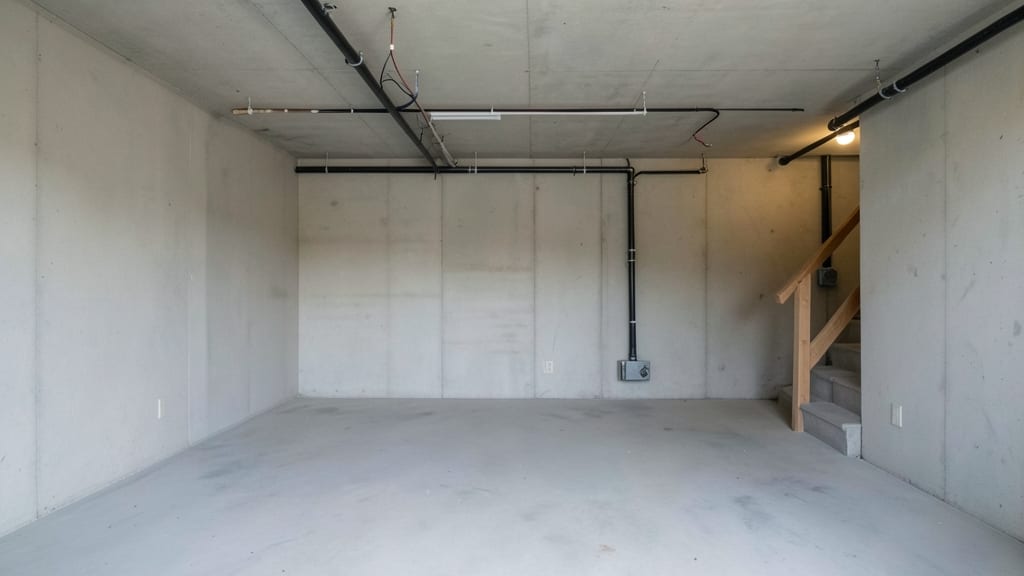
Mold remediation in Sevierville homes isn’t just about removal—it’s about stopping the cycle. The region’s humid climate and seasonal temperature swings create ideal conditions for spores to thrive if moisture isn’t controlled. Without proactive measures, mold can return within weeks, often in hidden areas like crawl spaces, attics, or behind walls.
Understand Why Mold Returns in Sevierville’s Climate
Sevierville’s warm, humid summers and damp springs provide a near-constant food source for mold spores. Even after professional remediation, lingering moisture in building materials or poor airflow can trigger regrowth.
The Smoky Mountains’ microclimate means higher indoor humidity, especially in basements and crawl spaces. Without targeted controls, these areas become prime real estate for mold colonies.
Relative humidity in Sevierville often exceeds 60% in summer. Mold spores activate above 55%, making dehumidification critical year-round.
Moisture Control: The Foundation of Mold Prevention
Mold cannot grow without moisture. Fixing leaks in roofs, plumbing, or foundation walls is the first step. Even small drips from a bathroom pipe or condensation around windows can sustain a colony.
In crawl spaces, a vapor barrier and proper grading around the home prevent ground moisture from seeping in. For basements, interior or exterior waterproofing may be necessary.
Ventilation Strategies for High-Risk Areas
Bathrooms, kitchens, and laundry rooms generate significant moisture. Exhaust fans rated for the room’s size should vent outside, not into attics or crawl spaces where humidity gets trapped.
Attic ventilation is often overlooked. Ridge vents, soffit vents, or powered fans reduce condensation that can soak insulation and wood, leading to hidden mold in Sevierville attics.
| Area | Recommended Ventilation Type | CFM Rating Guideline |
|---|---|---|
| Bathroom | Exhaust fan | 50 CFM for bathrooms ≤100 sq ft; +1 CFM per sq ft for larger |
| Kitchen | Range hood or exhaust fan | 100–300 CFM depending on stove type |
| Laundry Room | Exhaust fan or vented dryer | 50–100 CFM |
| Attic | Ridge/soffit vents or powered fan | 1 sq ft of vent per 150 sq ft of attic space |
| Crawl Space | Encapsulation + dehumidifier | N/A (focus on sealing and airflow) |
Dehumidification: The Non-Negotiable Tool
Portable or whole-house dehumidifiers are essential in Sevierville homes. Aim to maintain indoor humidity between 30–50%. Units with built-in hygrometers allow automatic adjustments.
For crawl spaces, a dedicated dehumidifier with a drainage pump prevents standing water. Basements may require multiple units, depending on square footage and moisture load.
Place units in central locations for even coverage. Empty water tanks daily or install a drain line to avoid overflow shutdowns.
Material Choices to Resist Future Mold Growth
During repairs or renovations, opt for mold-resistant materials. Moisture-resistant drywall (e.g., paperless or fiberglass-faced) and closed-cell spray foam insulation deter spores from taking hold.
In bathrooms and kitchens, use cement board instead of drywall for walls behind tile. For flooring, vinyl plank or ceramic tile outperforms carpet in wet-prone zones.
HVAC System Maintenance to Prevent Spore Spread
A dirty HVAC system can distribute mold spores throughout a home. Replace filters every 1–3 months with high-MERV (8–13) options to trap spores. Consider UV-C light installation in ductwork to neutralize airborne mold.
Duct cleaning may be necessary if mold was present in the system. However, improper cleaning can worsen contamination—hire a specialist familiar with NADCA standards.
HVAC Mold Prevention Checklist
- Inspect ductwork for visible mold or musty odors annually
- Use high-efficiency air filters and change them regularly
- Ensure condensate drain pans are clean and sloped correctly
- Consider a whole-house air purifier with HEPA filtration
- Seal duct joints to prevent moisture intrusion
Regular Inspections and Early Intervention
Schedule a professional mold inspection annually, especially after major weather events. Sevierville’s storm season can introduce water through compromised roofs or siding, leading to hidden growth.
Homeowners can perform monthly checks in high-risk areas: under sinks, around windows, in basements, and near appliances. Musty odors or discoloration on walls/ceilings signal a problem.
Outdoor Maintenance to Protect Indoor Spaces
Gutters and downspouts direct water away from the foundation. Clogged or improperly sloped systems can cause water to pool near the home, seeping into basements or crawl spaces.
Trim vegetation away from the house to improve airflow and reduce shade, which keeps exterior walls drier. In Sevierville, dense foliage common in older neighborhoods can trap moisture against siding.
How to Conduct a DIY Moisture Audit in Your Sevierville Home
A simple moisture audit helps identify problem areas before mold takes hold.
- 1Check for Visible Signs
Look for water stains, peeling paint, or warped flooring in bathrooms, kitchens, basements, and around windows. Pay special attention to north-facing walls, which stay cooler and collect condensation.
- 2Use a Moisture Meter
Test walls, floors, and ceilings with a pinless moisture meter. Readings above 15–20% indicate excess moisture in wood or drywall. Focus on areas near plumbing or past water damage.
- 3Inspect Hidden Spaces
Remove baseboards in suspect areas to check behind them. In attics, look for damp insulation or water marks on rafters. Crawl spaces should be dry; standing water or damp soil requires immediate action.
- 4Monitor Humidity Levels
Place hygrometers in multiple rooms, especially basements and bathrooms. Record readings over a week to identify patterns. Consistently high levels (above 55%) warrant dehumidifier use.
- 5Test for Leaks
Run water in sinks, showers, and tubs while checking underneath for drips. Inspect the water heater and washing machine hoses for slow leaks. Outside, use a hose to simulate rain and check for foundation seepage.
Frequently Asked Questions
How long does it take for mold to return after remediation in Sevierville?
Mold can begin regrowing within 24–48 hours if moisture and spores are present. In Sevierville’s humid climate, untreated water damage or poor ventilation can lead to visible mold within 1–2 weeks.
Can I use bleach to prevent mold from coming back?
Bleach kills surface mold but doesn’t prevent regrowth on porous materials like drywall or wood. It also doesn’t address the underlying moisture issue. For prevention, focus on drying and humidity control instead.
What’s the most common cause of mold recurrence in Sevierville homes?
Poor moisture management is the top culprit. Leaky roofs, plumbing issues, and inadequate ventilation in crawl spaces or attics are frequent triggers. The region’s high humidity exacerbates these problems.
Are there mold-resistant paints that work in humid areas like Sevierville?
Yes, mold-resistant paints contain antimicrobial additives that inhibit growth on surfaces. However, they’re not a substitute for fixing moisture issues. Use them in bathrooms, basements, or other high-humidity areas after addressing leaks or condensation.
Should I replace insulation after mold remediation?
Fiberglass or cellulose insulation that’s been wet or moldy should be removed and replaced. Closed-cell spray foam is less prone to mold but must be installed correctly to avoid trapping moisture. Always dry and treat the underlying area first.
How does Sevierville’s climate affect mold prevention strategies?
The area’s warm, humid summers and wet springs require aggressive moisture control. Dehumidifiers, proper ventilation, and regular inspections are more critical here than in drier climates. Seasonal checks before winter and after storm season help catch issues early.