How Sevierville’s Climate Shapes Mold Growth and Remediation Costs
Sevierville’s humid subtropical climate creates ideal conditions for mold proliferation year-round. High humidity, frequent rainfall, and temperature swings accelerate spore growth in hidden spaces like crawl spaces, attics, and HVAC systems. Understanding these patterns helps homeowners anticipate remediation needs and cost drivers before problems escalate.
Sevierville’s Climate: A Mold-Friendly Environment
The region’s warm, moist air—especially in summer—fuels rapid mold colonization on organic surfaces. Average humidity often exceeds 70%, providing the moisture mold needs to thrive within 24–48 hours of water exposure.
Seasonal temperature shifts in fall and spring create condensation in poorly ventilated areas. Attics and crawl spaces in older Sevierville homes often lack vapor barriers, worsening the issue.
Heavy rainfall, particularly in late winter and early spring, leads to water intrusion through roofs, windows, and foundation cracks. Even minor leaks can sustain hidden mold in wall cavities or under flooring.
Common Mold Hotspots in Local Properties
Crawl spaces in Sevierville often suffer from high humidity and standing water due to poor drainage. Without encapsulation or a dehumidifier, these areas become persistent mold reservoirs.
Attics with inadequate ventilation trap heat and moisture, promoting growth on wood decking, insulation, and HVAC ducts. Ice dams in winter can also introduce water, accelerating mold on plywood and rafters.
Bathrooms and laundry rooms see frequent mold on tile grout, drywall, and ceilings due to steam and plumbing leaks. Basements, especially in neighborhoods near the French Broad River, are prone to seepage and efflorescence.
| Area | Primary Moisture Source | Typical Mold Types |
|---|---|---|
| Crawl Space | Ground moisture, poor drainage | Aspergillus, Cladosporium |
| Attic | Condensation, roof leaks | Alternaria, Penicillium |
| Bathroom | Steam, plumbing leaks | Stachybotrys, Chaetomium |
| Basement | Seepage, high humidity | Fusarium, Ulocladium |
| HVAC Ducts | Condensation, dust buildup | Acremonium, Trichoderma |
Seasonal Mold Patterns and Remediation Timing
Spring brings increased rainfall and melting snow, heightening the risk of water damage in basements and ground-level rooms. This is the peak season for discovering hidden mold behind drywall or under carpeting.
Summer’s heat and humidity accelerate mold growth in attics and crawl spaces. Homeowners may notice musty odors or visible spots on ceilings, signaling the need for inspection and potential remediation.
Fall’s temperature drops can cause condensation in poorly insulated areas. This is an ideal time for preventive measures like improving ventilation or installing dehumidifiers before winter sets in.
Winter’s indoor heating can dry out some areas but also create condensation in colder spaces like garages or sunrooms. Frozen pipes that burst in areas like Kodak or Walland often lead to mold outbreaks once thawed.
Inspect attics, crawl spaces, and exterior walls for gaps or cracks before cold weather arrives. Sealing these can prevent ice dams and condensation-related mold.
How Climate Factors Drive Remediation Costs
The extent of mold spread, influenced by humidity and time, directly impacts labor and material costs. Widespread infestations in attics or crawl spaces require containment, HEPA filtration, and often structural drying, increasing expenses.
Accessibility plays a major role. Removing mold from a finished basement in Sevierville costs more than treating an open crawl space due to demolition and reconstruction needs.
Material type affects treatment methods. Porous materials like drywall or carpet often require removal, while non-porous surfaces (tile, metal ductwork) may only need cleaning and sealing.
Recurring moisture issues—common in flood-prone areas near Pigeon Forge or Gatlinburg—can lead to repeated remediation if the root cause (e.g., poor grading, leaky gutters) isn’t addressed.
Remediation vs. Prevention: Long-Term Savings
While remediation addresses existing mold, prevention reduces future costs. Installing vapor barriers in crawl spaces or adding attic ventilation can mitigate humidity-related growth.
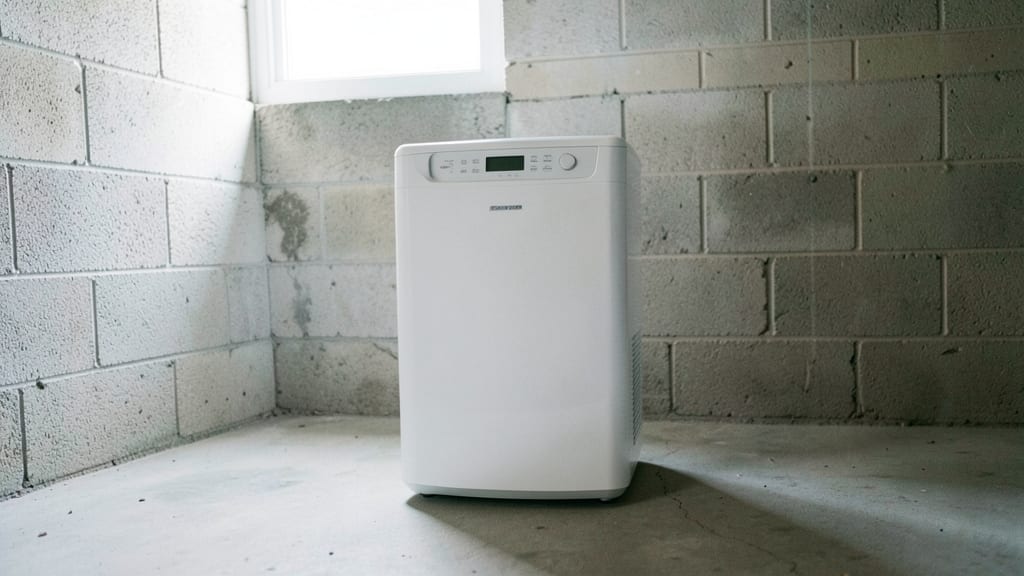
Dehumidifiers in basements or crawl spaces maintain moisture levels below 60%, inhibiting spore germination. Units with built-in pumps are ideal for areas like Seymour or Dandridge, where drainage is a concern.
Regular HVAC maintenance, including duct cleaning and filter changes, prevents mold buildup in air systems. This is especially critical in rental properties or commercial spaces in high-traffic areas.
Disturbing mold without proper containment can release spores into living spaces, worsening air quality. Improper cleaning (e.g., bleach on porous surfaces) may also fail to kill root structures.
Local Considerations: From Residential to Commercial
Residential properties in older neighborhoods like Fairgarden or Strawberry Plains often have outdated insulation or ventilation, increasing mold risks. Historic homes may require specialized remediation to preserve structural integrity.
Commercial buildings, such as hotels in Pigeon Forge or restaurants in Gatlinburg, face unique challenges. High occupancy and HVAC use can spread mold quickly, necessitating large-scale remediation and air quality testing.
Rental properties and HOAs in areas like Walland or Mascot must address mold proactively to avoid liability. Tenant turnover can hide water damage, making move-in/move-out inspections critical.
New construction in growing areas like Kodak or Jefferson City isn’t immune. Poorly stored building materials or rushed drying times can introduce mold before occupants move in.
Signs You Need Professional Remediation
Visible mold growth, especially in patches larger than 10 square feet, typically requires professional intervention. Black, green, or white spots on walls, ceilings, or floors are clear indicators.
Musty odors without a visible source often signal hidden mold in HVAC systems, behind drywall, or under flooring. Air quality testing can confirm spore levels and identify problem areas.
Water stains or peeling paint on walls and ceilings suggest past or ongoing moisture issues. Even if mold isn’t visible, these signs warrant a thorough inspection.
Health symptoms like persistent coughs, headaches, or allergies—especially in specific rooms—can indicate mold exposure. Vulnerable individuals (e.g., children, elderly, or immunocompromised) may react more severely.
When to Call a Remediation Specialist
- Mold covers more than 10 square feet
- Musty odors persist without a visible source
- Water damage or stains are present but mold isn’t visible
- Health symptoms improve when away from the property
- Mold returns after DIY cleaning attempts
- Testing confirms elevated spore levels indoors
How to Reduce Mold Risk in a Humid Climate
Proactive measures can significantly lower the likelihood of mold growth in Sevierville’s moisture-rich environment.
- 1Control Indoor Humidity
Use dehumidifiers in basements, crawl spaces, and bathrooms to maintain levels below 60%. Empty and clean units regularly to prevent mold growth inside them.
- 2Improve Ventilation
Install exhaust fans in kitchens and bathrooms, and ensure attics and crawl spaces have proper airflow. Consider a whole-house ventilation system for older homes.
- 3Address Water Intrusion Promptly
Fix leaky roofs, pipes, or windows immediately. Dry water-damaged areas within 24–48 hours to prevent spore germination.
- 4Inspect and Maintain HVAC Systems
Schedule annual HVAC inspections, including ductwork. Replace filters every 1–3 months and consider UV lights to inhibit mold growth in air handlers.
- 5Use Mold-Resistant Materials
Opt for moisture-resistant drywall, paperless insulation, and mold-inhibiting paints in high-risk areas like basements and bathrooms.
- 6Monitor Hidden Areas
Regularly check crawl spaces, attics, and behind appliances for signs of moisture or mold. Use a moisture meter to detect hidden issues.
Frequently Asked Questions
Why is mold more common in Sevierville than in drier climates?
Sevierville’s humid subtropical climate, with high average humidity and frequent rainfall, creates persistent moisture that mold spores need to thrive. Poor ventilation in many local homes exacerbates the issue, especially in hidden spaces like crawl spaces and attics.
Can mold return after remediation?
Yes, if the underlying moisture problem isn’t resolved. For example, remediating attic mold without fixing a roof leak or improving ventilation will likely lead to recurrence. Post-remediation sealing and moisture control are critical.
How does mold in HVAC systems affect remediation costs?
Mold in ductwork often requires specialized cleaning or even replacement of contaminated sections. The cost increases due to the need for containment, HEPA filtration, and potential system downtime during treatment.
Are there specific mold risks in Sevierville’s older neighborhoods?
Older homes in areas like Fairgarden or Strawberry Plains often lack modern vapor barriers or insulation, increasing humidity and condensation risks. Aging plumbing and roofs also heighten the likelihood of water intrusion and mold growth.
What’s the difference between mold testing and inspection?
A mold inspection visually assesses for signs of mold and moisture, while testing (e.g., air or surface samples) quantifies spore levels and identifies species. Testing is often recommended when mold isn’t visible but suspected due to odors or health symptoms.
Does homeowners insurance cover mold remediation in Sevierville?
Coverage varies by policy and cause. Mold resulting from sudden, accidental water damage (e.g., a burst pipe) may be covered, but gradual issues (e.g., long-term humidity) typically aren’t. Review your policy and document the source of moisture.