Sevierville Home Buyers: Red Flags for Mold in Property Listings
Buying a home in Sevierville means weighing charm against hidden risks—mold chief among them. The region’s humidity and seasonal storms create ideal conditions for growth behind walls, under floors, or in attics. Recognizing the red flags early can save thousands in remediation and protect your family’s health.
Why Mold Thrives in Sevierville Homes
Sevierville’s warm, humid summers and wet springs feed mold spores that lie dormant in dust or wood. Add poor ventilation or a past roof leak, and colonies can spread unnoticed for years.
Proximity to the Smokies and frequent rainfall increase indoor moisture levels, especially in basements, crawl spaces, and bathrooms. Even newer builds in Kodak or Pigeon Forge aren’t immune if construction dried in poorly.
Visible Red Flags in Listings and Walk-Throughs
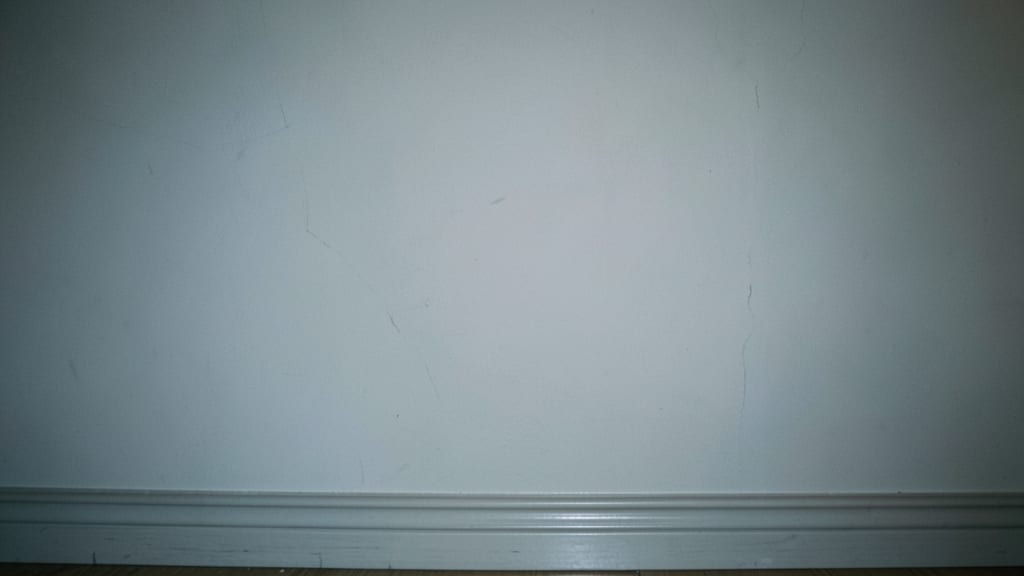
Stains on ceilings or walls—yellow, brown, or black—often signal past or active water intrusion. Peeling paint or bubbling wallpaper can trap moisture, accelerating mold growth beneath.
Check window sills, baseboards, and corners for discoloration or fuzzy patches. In attics, look for dark streaks on rafters or insulation, a sign of long-term condensation or roof leaks.
Warped or cupped hardwood floors, especially in basements or first floors, may indicate prolonged moisture exposure. In Gatlinburg or Walland, older homes with original flooring are high-risk.
Mold often grows behind drywall, under carpet padding, or inside HVAC ductwork. A musty odor without a visible source is a critical warning sign.
Odors and Air Quality Clues
A persistent musty or earthy smell, even faint, suggests active mold. Sellers may mask it with air fresheners or open windows during showings—trust your nose, not staging.
Allergic reactions during a walk-through—sneezing, itchy eyes, or throat irritation—can indicate elevated spore levels. These symptoms often fade after leaving the property, a telltale sign.
Portable air quality tests can detect hidden spores in as little as 30 minutes. For deeper concerns, a full mold inspection with surface and air sampling is wise.
Structural and Systemic Warning Signs
Inspect the HVAC system for mold in ductwork or around vents. Poorly maintained units in Sevierville’s climate can circulate spores throughout the home.
Crawl spaces with standing water, damp insulation, or a vapor barrier in disrepair are breeding grounds. In neighborhoods like Fairgarden or Strawberry Plains, flood history may not be fully disclosed.
Check the exterior for cracked foundation seals, improper grading, or clogged gutters. Water pooling near the base of the home almost always leads to indoor moisture issues.
| Area | Risk Level | Why It’s Vulnerable |
|---|---|---|
| Basements | High | Poor drainage, concrete porosity, and limited airflow |
| Crawl Spaces | Very High | Earth floors, lack of ventilation, and plumbing leaks |
| Attics | High | Roof leaks, condensation from temperature swings, and insufficient insulation |
| Bathrooms | Moderate | Chronic humidity, poor exhaust ventilation, and tile grout deterioration |
| HVAC Systems | High | Dark, damp ductwork and filters trap spores and circulate them |
| Kitchens | Moderate | Sink leaks, dishwasher malfunctions, and refrigerator drip pans |
What Sellers May Not Disclose
Tennessee law requires sellers to disclose known material defects, but “known” is subjective. Past water damage listed as “repaired” may still harbor mold if not properly remediated.
Look for vague language in disclosures like “minor moisture issues” or “previous basement dampness.” These often downplay serious problems requiring professional mold remediation.
Ask for receipts from past water damage repairs or mold treatments. If remediation occurred, verify it included air quality testing post-work.
When to Walk Away vs. Negotiate
Extensive mold in structural components like joists or load-bearing walls often warrants walking away. Remediation costs can exceed $10,000, and hidden damage may be worse than visible.
Surface mold in non-porous areas (e.g., tile grout) may be negotiable. Request a price reduction to cover professional cleaning and air quality testing. In competitive markets like Sevierville, this can be a smart compromise.
If the home has a history of flooding or sewer backups, especially in low-lying areas near Dandridge or Newport, the risk of recurrent mold is high. Proceed with caution.
Next Steps Before Closing
Hire a certified mold inspector separate from the general home inspector. They use moisture meters, thermal imaging, and lab analysis to uncover hidden issues.
Compare the inspector’s findings with the seller’s disclosure. Discrepancies may give you leverage to renegotiate or exit the contract.
If mold is found, get a detailed remediation plan and cost estimate. Factor this into your offer or request the seller address it before closing.
Pre-Purchase Mold Action Plan
- Schedule a dedicated mold inspection, not just a general home inspection
- Review seller disclosures for water damage or past mold treatments
- Test air quality in high-risk areas (basement, attic, crawl space)
- Obtain written remediation estimates for any mold found
- Consult a real estate attorney if disclosure issues arise
How to Inspect a Sevierville Listing for Mold Like a Pro
A thorough walk-through can reveal red flags before you spend a dime on inspections.
- 1Start Outside
Examine the roof, gutters, and downspouts for damage or clogs. Check the grading around the foundation—it should slope away from the house to prevent water pooling.
- 2Check for Moisture Inside
Use a moisture meter (available at hardware stores) to test walls, floors, and ceilings, especially near plumbing, windows, and exterior walls. Readings above 15-20% indicate potential issues.
- 3Follow Your Nose
Sniff for musty odors in every room, closet, and storage area. Pay extra attention to basements, attics, and laundry rooms, where humidity is often highest.
- 4Inspect Hidden Areas
Open cabinet doors under sinks, check behind toilets, and look inside HVAC vents. Use a flashlight to spot discoloration or water stains in dark corners.
- 5Review Maintenance Records
Ask for documentation on past water damage, plumbing repairs, or mold remediation. Missing or vague records are a red flag.
Frequently Asked Questions
Are there specific Sevierville neighborhoods more prone to mold issues?
Areas near rivers or with older housing stock, like Fairgarden or parts of Pigeon Forge, tend to have higher moisture levels. Homes in flood-prone zones near Dandridge or along the French Broad River also carry greater risk. Always check FEMA flood maps for the property’s history.
Can a general home inspection catch mold?
General inspectors may note visible mold or water damage, but they typically lack the tools or expertise for a thorough mold assessment. A dedicated mold inspection with air and surface sampling is far more reliable for uncovering hidden problems.
What’s the difference between mold testing and mold inspection?
Mold inspection involves a visual and physical assessment of the property for signs of mold and moisture. Mold testing collects air or surface samples for lab analysis to identify spore types and concentrations. Both are often needed for a complete picture.
How long does mold remediation take in a typical Sevierville home?
Timelines vary by severity. Small, contained issues may take 1-3 days, while extensive infestations in crawl spaces or ductwork can require 1-2 weeks. Drying time after water extraction also factors in, especially in humid conditions.
Should I test for mold even if I don’t see or smell it?
Yes, especially in high-risk areas like basements, attics, or homes with past water damage. Mold can grow undetected behind walls or under flooring. Air quality testing provides peace of mind and can uncover issues before they become costly.
What happens if mold is found after closing?
Post-closing discoveries can lead to expensive remediation and potential health risks. If the seller failed to disclose known issues, you may have legal recourse, but proving intent is difficult. Pre-purchase inspections are your best protection.